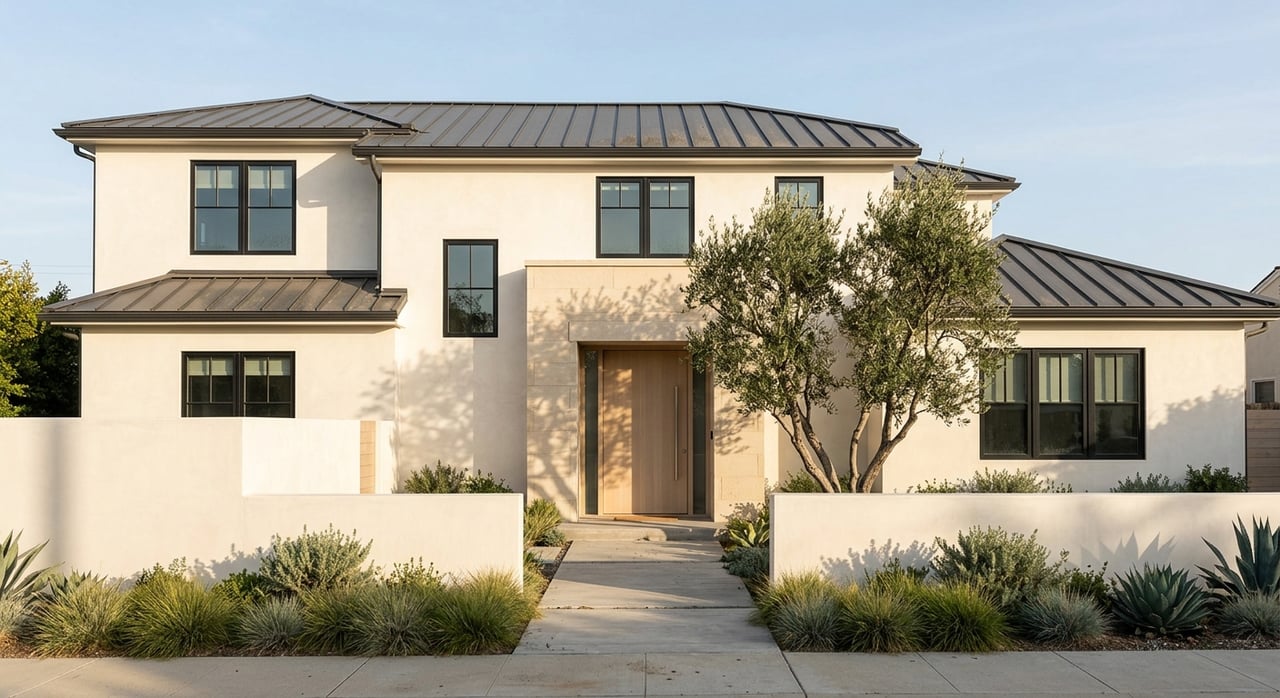
Santa Monica Neighborhoods and the Lifestyle They Offer
June 25, 2026
June 25, 2026
What if the biggest Santa Monica real estate decision is not just your budget or square footage, but the kind of weekday you want to live? In a city this compact, a few blocks can change your routine in meaningful ways, from beach access and park time to coffee runs, transit options, and how quiet your evenings feel. If you are trying to figure out which part of Santa Monica fits your lifestyle best, this guide will help you compare the city by daily rhythm, not just by map. Let’s dive in.
Santa Monica covers just 8.3 square miles, but it supports about 93,000 residents, a daytime population of roughly 250,000, and more than 8 million annual visitors. That contrast helps explain why some areas feel lively and destination-driven while others feel calmer and more local.
The city also makes it easy to build your day around short trips. Santa Monica has more than 100 miles of bikeways, mild weather, relatively few hills, three miles of beach, and a beach path with a parallel pedestrian path. In practical terms, that means walking, biking, and beach access can become part of your normal routine instead of a once-in-a-while treat.
Transit matters here, too. Downtown Santa Monica is the E Line terminus, and key Big Blue Bus routes run along major corridors like Santa Monica Boulevard, Wilshire Boulevard, Lincoln Boulevard, and Pico Boulevard. If you want a more car-light lifestyle, your neighborhood choice can make a real difference.
One of the clearest lifestyle splits in Santa Monica is coastal versus inland. Living closer to Ocean Avenue, the beach path, or major destination areas often means easier access to scenic open space, dining, and people-watching, but also more activity and more visitors.
Farther inland, many neighborhoods feel more residential and routine-oriented. You may trade some immediate beach energy for quieter streets, neighborhood parks, and a day-to-day rhythm that feels a little more local. Neither is better across the board. It comes down to how you want your normal Tuesday to feel.
North of Montana is often associated with a more spacious residential feel. City historic resources describe this neighborhood as having generous lot sizes, wide streets, broad parkways, and mature street trees, which all shape the experience of moving through the area.
Montana Avenue acts as the neighborhood’s local commercial corridor. With hundreds of merchants and a mix of low-rise retail, cafes, restaurants, personal services, and salons, it supports an easy errand-and-coffee routine without feeling like a major city center.
If you like the idea of a calm neighborhood setting with walkable daily conveniences, this pocket often fits that lifestyle well. North Beach Playground near Montana also adds a beachside amenity that can make coastal recreation feel close at hand.
This area may appeal to you if you are looking for:
Wilshire-Montana, sometimes called Wilmont, offers a different version of Santa Monica living. It is the city’s largest multi-family neighborhood, with a mix of building types and a dense, walkable layout that still feels neighborhood-scaled.
The west side of the neighborhood has convenient access to Palisades Park, the beach, and Downtown. Local planning and parks materials describe the area as community-oriented, where people often run into neighbors on the way to coffee or the grocery store.
Douglas Park and Reed Park are major everyday amenities here. Reed Park is also home to the Miles Memorial Playhouse, which adds another cultural touchpoint to daily life.
This area may suit you if you want:
If you want Santa Monica at its most active, Downtown is the clearest example. The city describes Downtown as its historic heart, cultural and community center, iconic destination, residential neighborhood, and primary economic engine.
Third Street Promenade is the city’s main pedestrian shopping and dining corridor, and it also hosts farmers markets twice a week. Ocean Avenue connects the area to the coast, and recent improvements include a protected bikeway from the Downtown Metro station to the beach plus expanded sidewalk space for outdoor dining.
This part of Santa Monica feels the most like a compact city center. If you enjoy being close to restaurants, shopping, transit, and a steady stream of activity, Downtown can support that kind of lifestyle in a way few other local pockets do.
Downtown may be a strong match if you prefer:
Ocean Park offers a beach-accessible lifestyle with a more local feel than Downtown. Located in Santa Monica’s southwest corner, it includes a mix of low- to mid-rise multifamily housing along with some single-family homes.
Main Street is the key commercial corridor here. The city has long described it as a specialty retail, small-office, and restaurant district, which helps create a daily routine built around neighborhood-scale dining, shopping, and repeat visits to familiar spots.
The Sunday Main Street Farmers Market is a major local anchor, with about 40 certified California farms, live entertainment, and year-round operation. Ocean View Park adds basketball and tennis courts, grassy open space, and a walking connection toward the beach via Ashland Walk.
Ocean Park may feel right if you want:
If your priority is a quieter, more everyday residential feel, inland Santa Monica deserves a close look. Sunset Park is one of the city’s largest residential neighborhoods, and city planning materials describe it as largely residential with smaller single-family homes and quiet tree-lined streets.
Fairview Branch Library sits in the heart of Sunset Park, reinforcing that neighborhood-based routine. Nearby, the Pico Neighborhood centers around Virginia Avenue Park, a 9.5-acre community campus with a farmers market, splash pad, teen center, and the Pico Branch Library.
Mid-City adds another layer of inland living, with a mix of housing types and neighborhood amenities such as the community garden on Park Avenue. Together, these areas tend to reflect a more local, daily-life-first version of Santa Monica.
These areas may be a fit if you value:
Santa Monica operates 32 parks spanning more than 130 acres, and that park network has a real effect on lifestyle. Some neighborhoods revolve around sand-side play and beach access, while others are shaped more by community parks, sports courts, open lawns, or library-adjacent gathering spaces.
For example, North of Montana has the beachside appeal of North Beach Playground. Wilshire-Montana benefits from Douglas Park and Reed Park, while Pico stands out for the broader community-campus feel of Virginia Avenue Park.
If parks are a big part of how you picture daily life, it helps to think less about citywide rankings and more about what kind of park routine you actually want. A quick playground stop, a walk with open green space, a farmers market morning, or easy access to courts can all point you toward a different pocket.
For some buyers, commuting and mobility are just as important as atmosphere. Downtown has the strongest rail connection because it is home to the E Line terminus, which can be a major advantage if you want to combine walking, biking, and train access.
Bus coverage also plays a meaningful role. Big Blue Bus advertises frequent service on key corridors including Santa Monica Boulevard, Wilshire Boulevard, Lincoln Boulevard, and Pico Boulevard, so neighborhoods near those routes can support a more flexible day-to-day pattern.
If you are hoping to drive less, it is worth paying attention not just to distance on a map, but to how easily you can connect your home to errands, work, and recreation without getting in the car for every trip.
Living near the coast changes more than your view. It often affects foot traffic, activity levels, and the overall pace of your street or immediate area.
Closer-to-beach neighborhoods can offer quick access to Palisades Park, the beach path, North Beach Playground, and oceanfront open space. That can be a huge lifestyle benefit if you plan to use those spaces often.
At the same time, inland neighborhoods may offer a more settled daily feel while still keeping the beach within easy reach. In Santa Monica, beach proximity is less about whether you can get there and more about whether you want it woven into your everyday routine.
If you are looking at Sunset Park or nearby southeastern areas, one long-term change is worth knowing. The Santa Monica Airport is slated to close on December 31, 2028.
That does not tell you exactly how the area will evolve, but it does mean the southeastern edge of the city could look different over time. For buyers thinking long term, that is an important part of the neighborhood conversation.
The best Santa Monica neighborhood for you usually comes down to a few practical questions. Do you want destination energy or a more local routine? Do you picture yourself walking to coffee and dinner, spending weekends at a farmers market, biking to the beach, or prioritizing a quieter residential block?
Santa Monica is small enough that many conveniences overlap, but each pocket still creates a different daily experience. When you match the neighborhood to your real routine, the decision gets much clearer.
If you are weighing Santa Monica neighborhoods and want calm, practical guidance on how each area fits your goals, Janet Heinzle can help you compare the tradeoffs and move forward with confidence.
Stay up to date on the latest real estate trends.
Whether you’re buying, selling, or investing, Janet Heinzle offers clear guidance, strong advocacy, and a commitment to your success. Reach out today to begin a real estate experience defined by trust, transparency, and results.
Connect With Me To Learn More
11990 San Vicente Blvd Ste 100 Los Angeles, CA 90049