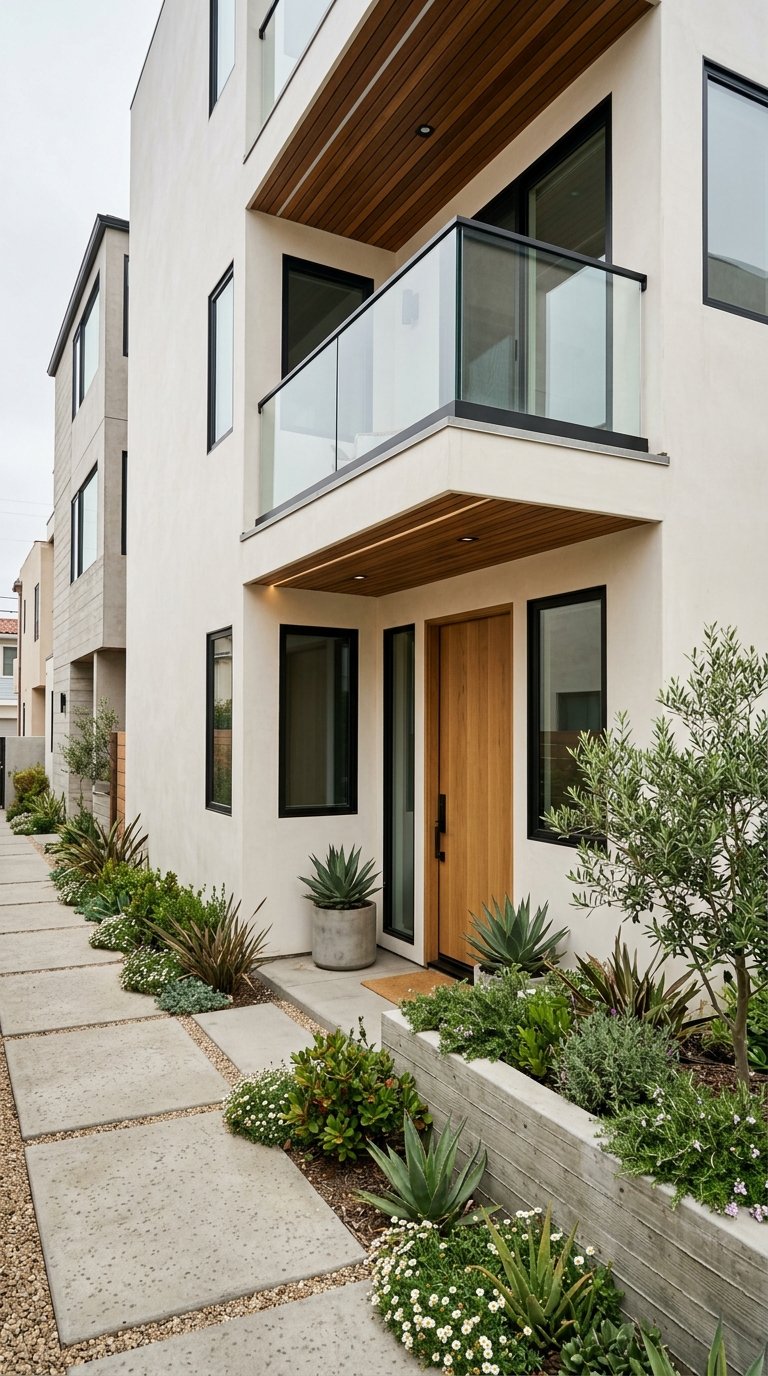
Santa Monica Condo vs House: How to Choose Wisely
May 21, 2026
May 21, 2026
Trying to decide between a condo or a house in Santa Monica? You are not alone. In a city where space is limited, prices vary widely by property type, and many buyers want both lifestyle and long-term value, this choice can feel bigger than it first appears. The good news is that once you understand how each option works in Santa Monica, the decision gets much clearer. Let’s dive in.
Santa Monica is a compact coastal city with land-use goals that support walking, biking, transit, and mixed-use development. In practical terms, that means shared-space living is common, and ownership type can have a big impact on your day-to-day experience.
Price is a major part of the equation too. In Redfin’s March 2026 snapshot, the median sale price in Santa Monica was $1,564,500 overall. The median was $1,075,000 for condos and co-ops, $1,449,000 for townhouses, and $3,689,500 for single-family homes, with homes averaging 52 days on market.
That spread is significant. For many buyers, the decision is not just about preference. It is also about budget, monthly costs, maintenance, privacy, and how much control you want over the property.
In California, a condominium is a separately owned unit paired with an undivided interest in common areas. That means you own your unit, but parts of the property outside that unit may be shared with other owners.
It is also important to know that outdoor areas are not always fully private land. Features like balconies, patios, porches, and similar spaces are often classified as exclusive-use common area, which means they may feel private but can still be subject to HOA rules.
Most condos are governed by a homeowners association. The HOA usually sets rules, collects monthly dues, and manages common areas and shared maintenance.
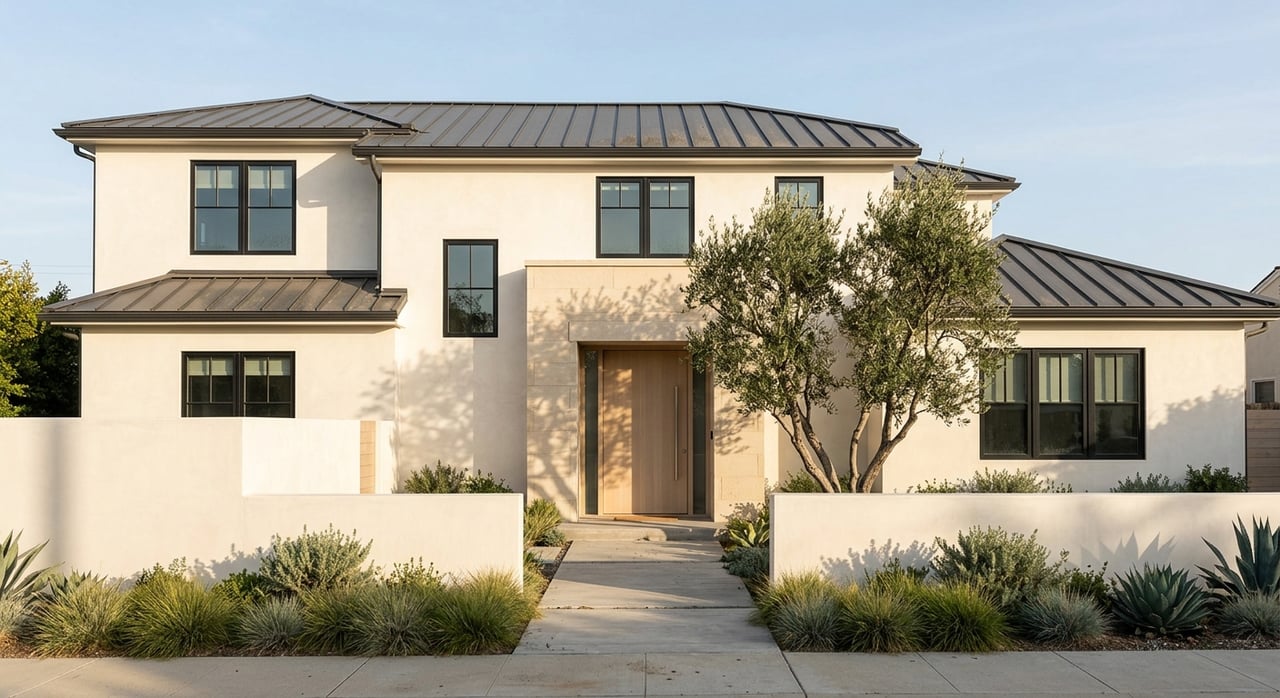
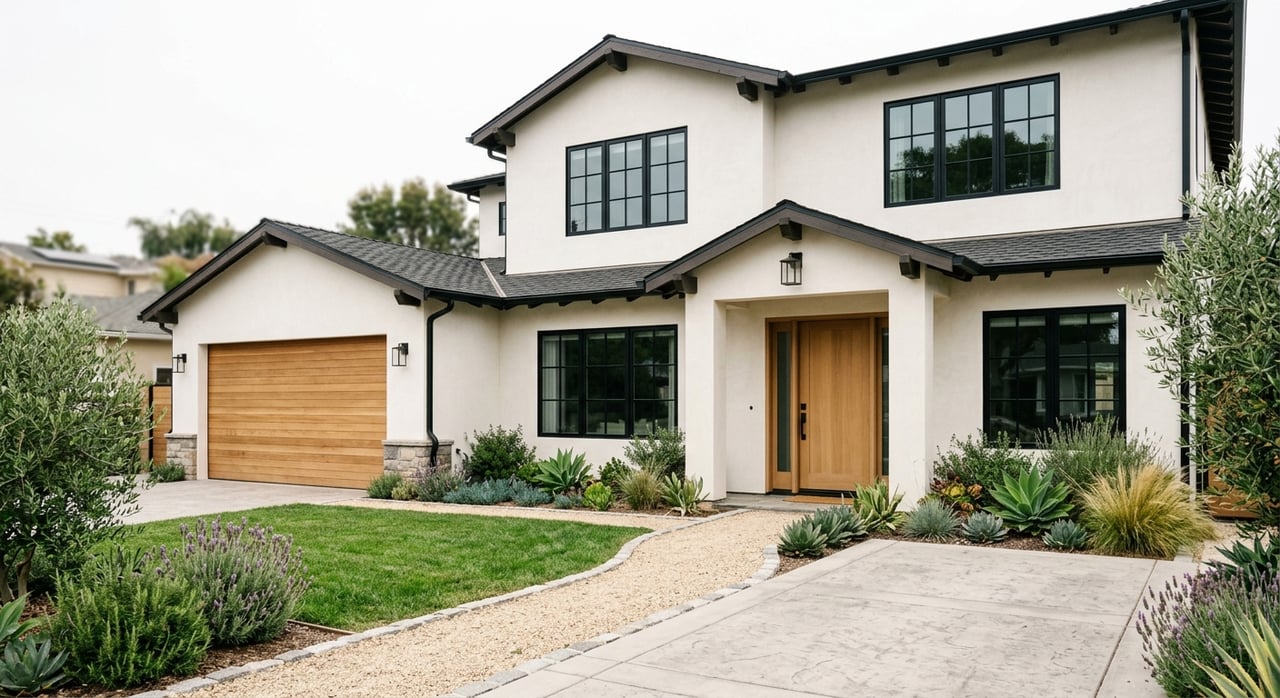
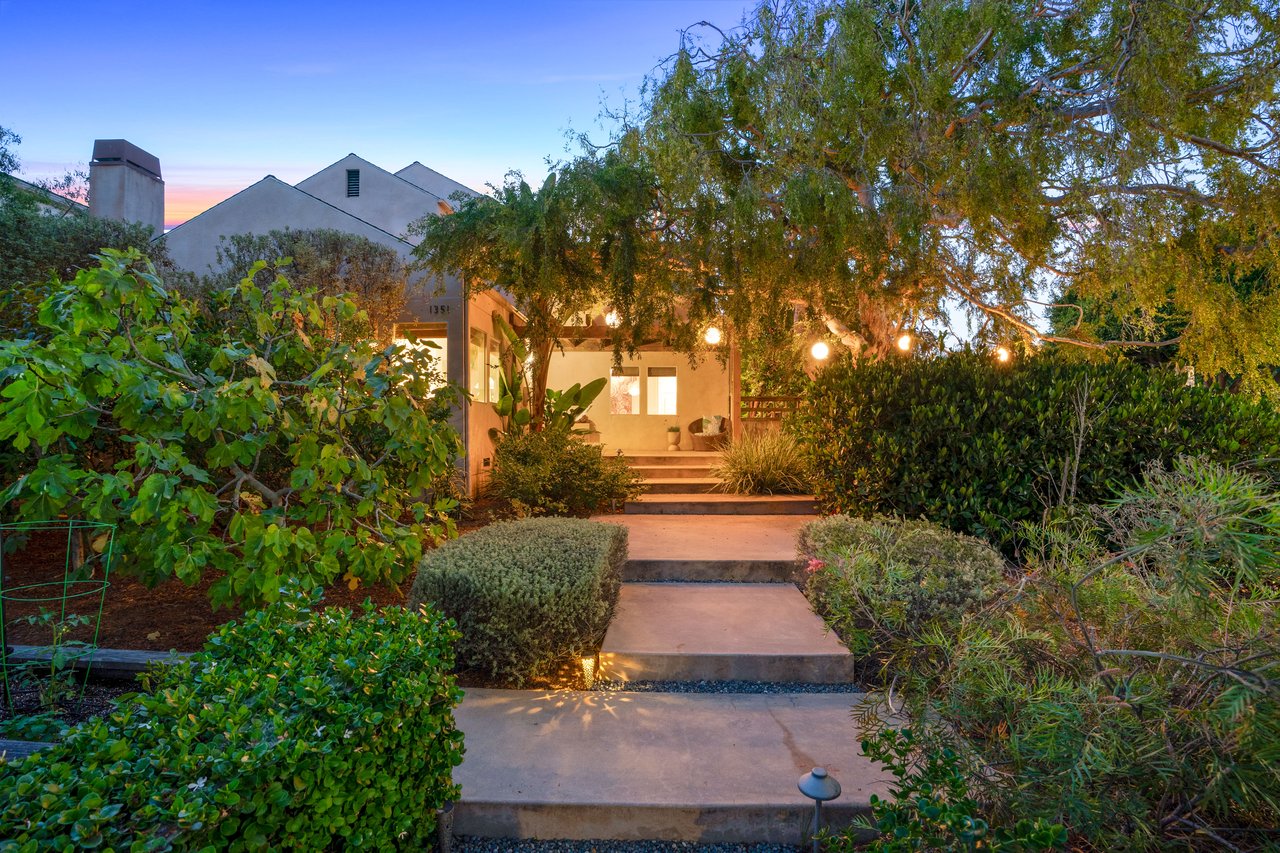
A detached single-family home usually gives you the most direct control over the home’s exterior and lot. If you want more say over landscaping, exterior changes, yard use, or long-term modifications, a house is often the clearest fit.
That said, not every house is completely free from shared obligations. Some single-family properties can still be part of a planned development with HOA-managed infrastructure or common areas.
A house may also offer future flexibility. In Santa Monica, accessory dwelling units are allowed on properties with an existing or proposed single-unit dwelling, subject to city rules.
Townhomes often come up in this conversation, and they can be a helpful middle ground. In California, though, “townhome” describes a building style, not a legal ownership type.
A townhome is typically a multi-story home arranged side by side, often without units above or below. But legally, it may be set up as a condominium or as a planned development, so you will want to confirm what you are actually buying.
For many buyers, a townhome offers a more house-like layout than a condo while still coming at a lower price point than a detached home. In Santa Monica, that can make it an appealing compromise.
If your goal is lower maintenance, a condo often has the edge. The HOA or condo board typically maintains common areas and exterior elements, and monthly dues may also cover items like water, sewer, trash, amenities, or reserve funding.
That convenience matters if you travel often, prefer a lock-and-leave lifestyle, or simply do not want to manage as many exterior issues yourself. You still need to maintain your own unit, but a lot of the shared upkeep is handled for you.
A house gives you more control, but it also gives you more responsibility. Repairs, exterior maintenance, landscaping, and many property decisions fall directly on you.
If privacy is high on your list, a house usually wins. You are more likely to have a clearer separation from neighbors, more control over outdoor space, and fewer community rules affecting how that space is used.
A condo can still work well if you value location and ease more than complete privacy. Just remember that patios, balconies, yards, driveways, or parking areas in some communities may be exclusive-use common area rather than fully deeded private property.
Townhomes often land in between. They may feel more residential than a condo because they are usually side by side instead of stacked, but shared walls and HOA oversight may still be part of the picture.
The purchase price is only one part of affordability. Your full monthly cost can include principal, interest, property taxes, insurance, HOA fees, and maintenance.
For condos and many townhomes, HOA dues can be a major line item. Those dues are commonly paid directly to the HOA and can range from a few hundred dollars a month to more than $1,000 a month.
A house may not have the same monthly HOA expense, but it can bring more direct maintenance costs over time. The key is to compare the full ownership picture, not just the sales price.
In Santa Monica, older multi-family buildings deserve extra attention. The city adopted its Seismic Retrofit Program in 2017, and more than 2,000 commercial and multi-family residential buildings were identified as potentially seismically vulnerable and may need analysis or retrofit if they are on the program list.
If you are considering a condo or townhome in an older building, this is an important due-diligence issue. Retrofit work can affect timing, future building plans, and the possibility of special assessments.
Insurance also works differently depending on the property type. Condo association fees often include master insurance for common areas, but that does not replace the unit owner’s own policy.
The California Department of Insurance also notes that standard homeowners and renters policies generally do not cover earthquake damage. Condo owners may also face assessments if an association needs to repair earthquake damage to common areas or exterior structures.
If having more outdoor control matters to you, a detached home is usually the stronger fit. That can be especially important if you are thinking long term about yard use, exterior changes, or the possibility of an ADU.
In a city shaped by compact development, that flexibility can be meaningful. It will not matter to every buyer, but for some, it becomes a deciding factor.
No matter which direction you are leaning, asking the right questions can protect both your budget and your peace of mind.
For condos and townhomes, consider asking:
For a single-family home, consider asking:
In Santa Monica, choosing between a condo and a house is rarely just about square footage. It is about how you want to live, how much responsibility you want to take on, what monthly costs feel sustainable, and how much control you want over your property.
For some buyers, a condo is the smart move because it offers a lower entry point and easier upkeep in a high-cost coastal market. For others, a detached home is worth the higher price because it delivers more privacy, more flexibility, and more control over the long term.
The right answer is personal, but it becomes much easier when you look past the label and focus on the legal setup, monthly cost structure, building condition, and your actual lifestyle priorities. If you want help thinking through the tradeoffs in Santa Monica, Janet Heinzle can help you evaluate the options clearly and move forward with confidence.
Stay up to date on the latest real estate trends.

Whether you’re buying, selling, or investing, Janet Heinzle offers clear guidance, strong advocacy, and a commitment to your success. Reach out today to begin a real estate experience defined by trust, transparency, and results.
Connect With Me To Learn More
11990 San Vicente Blvd Ste 100 Los Angeles, CA 90049