
Preparing To Sell Your Venice Home With Less Stress
April 23, 2026
April 23, 2026
Selling in Venice can feel like a lot to manage at once. You may be sorting through years of belongings, deciding what to fix, and wondering how much prep is actually worth the effort. The good news is that you do not need to do everything to make a smart impression. With the right plan, you can focus on the updates that matter most, avoid unnecessary stress, and get your home ready with more confidence. Let’s dive in.
Venice is a distinct part of Los Angeles with a coastal, eclectic, and vibrant character, according to the City of Los Angeles neighborhood overview. It is also a high-value market where thoughtful presentation still matters.
Recent market snapshots show that Venice is not an ultra-fast market across the board. Zillow’s March 2026 home value index for Venice was $1,830,180, while Redfin reported a March 2026 median sale price of $1,887,500, average pending time around 81 days, and an average sale at about 2% below list price. These figures are measured differently, but together they point to the same takeaway: pricing, presentation, and timing can shape your result.
If your goal is to sell with less stress, start by simplifying your home before you think about bigger projects. In the 2025 NAR staging survey, decluttering, cleaning, and curb appeal were the most common recommendations given to sellers.
That makes sense in Venice, where bright spaces, natural light, and easy flow often help buyers connect with a home. A cleaner, more edited look helps buyers focus on the space itself instead of your personal items or unfinished to-do list.
A good first pass usually includes:
One of the biggest causes of seller stress is taking on too much work. Before listing, it is usually smarter to focus on cosmetic improvements rather than projects that can expand in scope or require additional approvals.
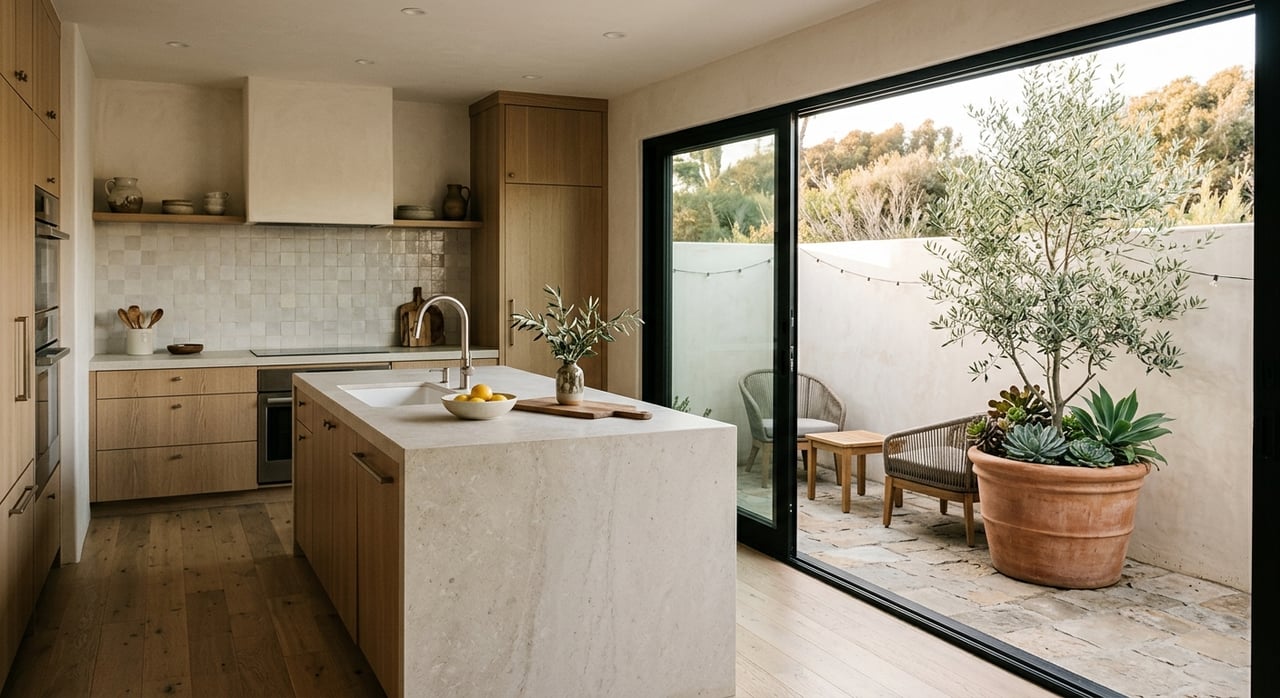
According to NAR remodeling guidance, strong-value pre-sale updates often include deep-cleaning floors, fresh paint, upgraded fixtures, backsplash work, lawncare, and simple smart-home touches. These are practical improvements that can help a home feel cared for without creating a months-long renovation.
In most cases, the best question is not, “What can I renovate?” It is, “What will make this home feel clean, current, and easy for a buyer to imagine living in?”
Not every room needs the same level of attention. If you are trying to use your time and budget wisely, prioritize the spaces buyers notice most.
The 2025 NAR staging report found that buyers ranked the living room first, followed by the primary bedroom and kitchen. The same report noted that the living room, primary bedroom, dining room, and kitchen were the rooms most commonly staged.
That means your prep plan should usually center on:
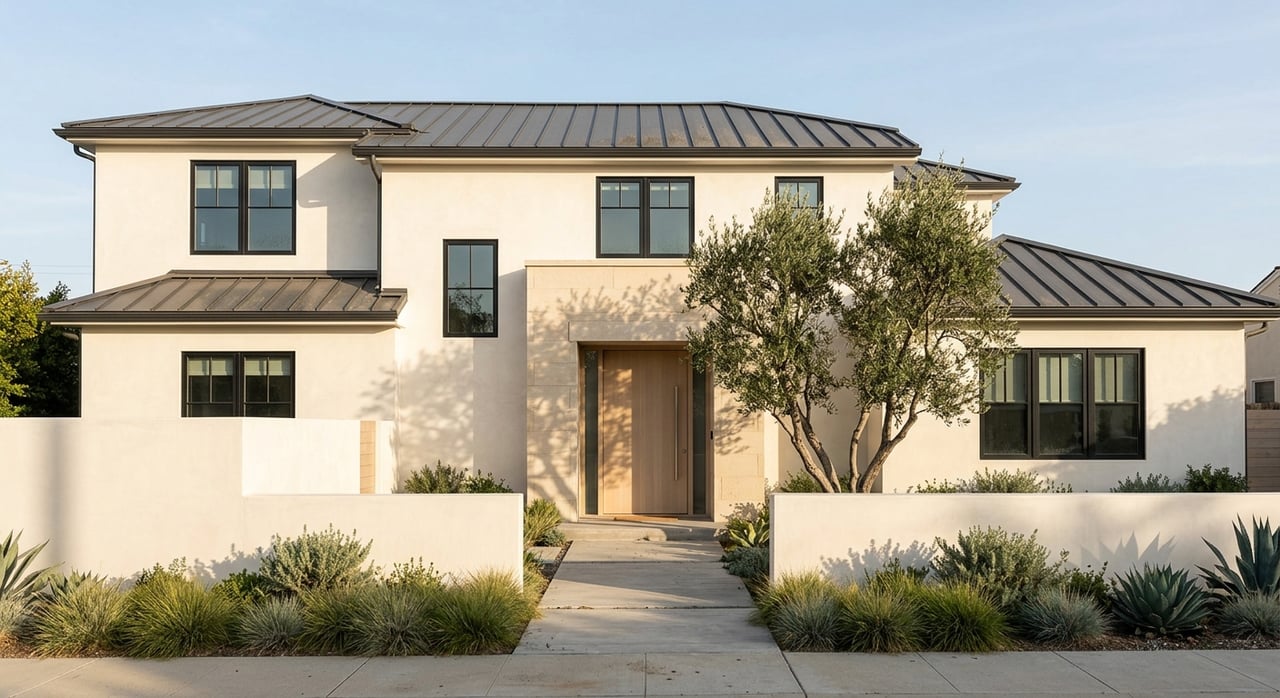
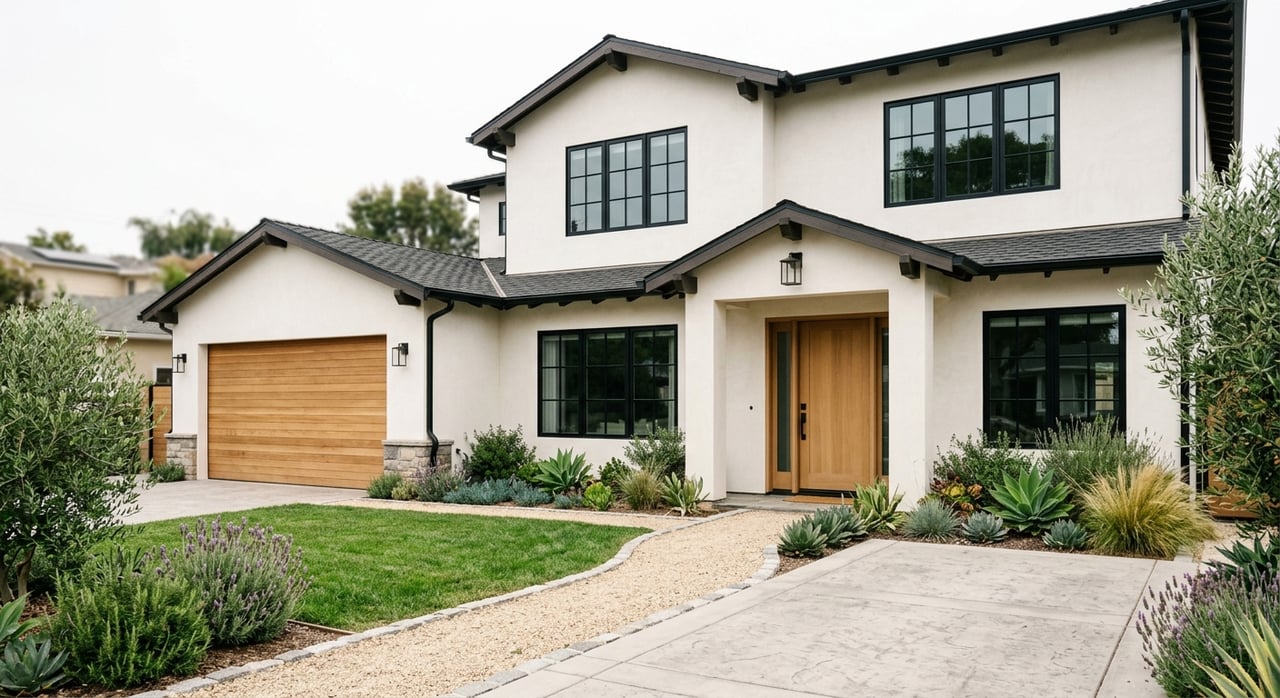
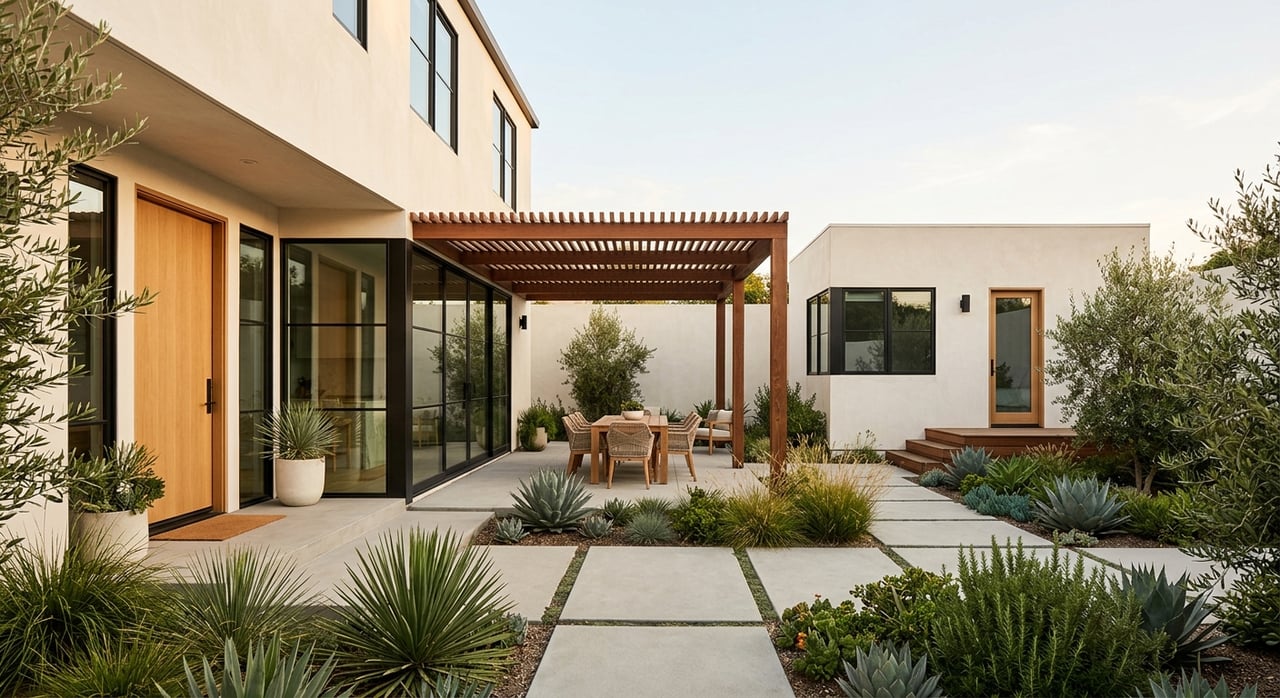
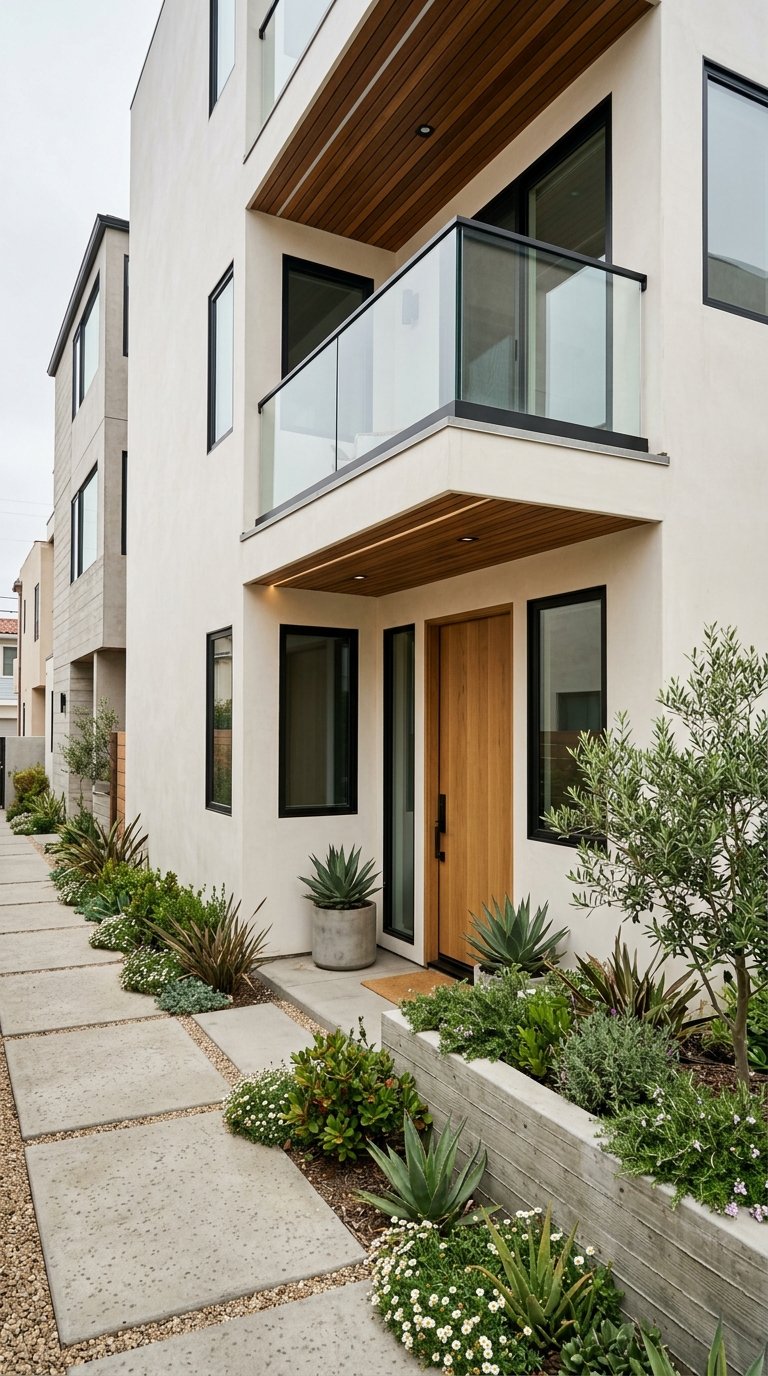
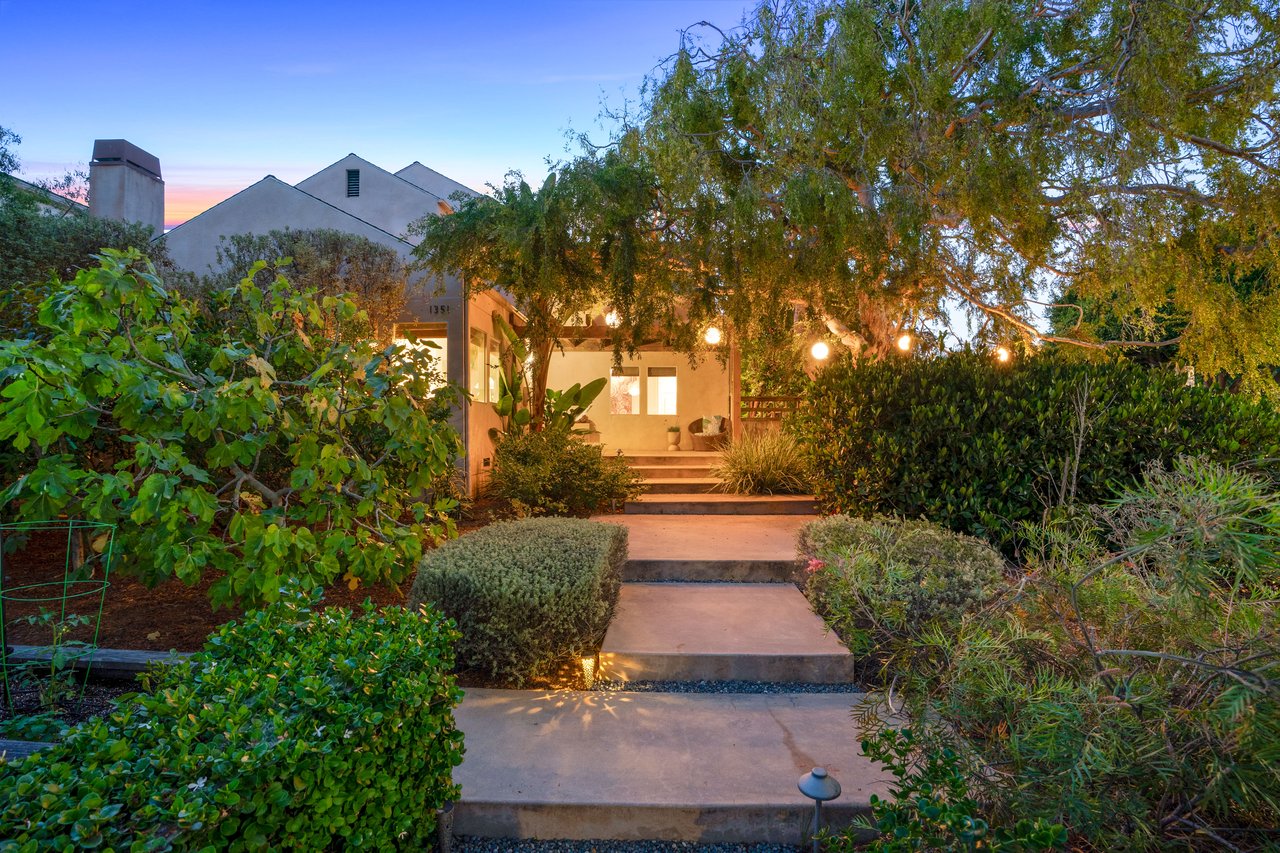
Because curb appeal was also one of the most common seller recommendations in the NAR survey, your exterior deserves real attention too. In Venice, patios, front gardens, and other outdoor areas can help reinforce the home’s overall presentation.
Venice has a coastal identity, but that does not mean your home should look overly themed. Based on the neighborhood’s character and what staging research tells us, a restrained and bright presentation is often the better fit.
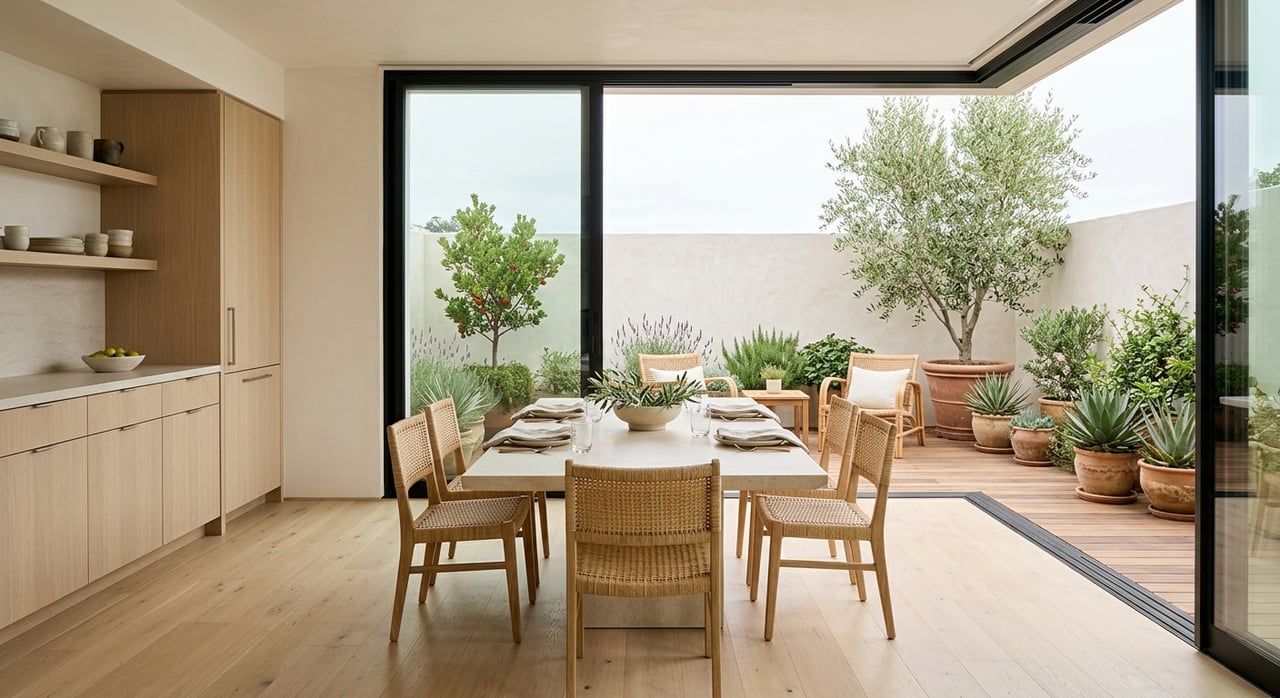
Think edited instead of busy. Natural light, simple furnishings, uncluttered surfaces, and a sense of indoor-outdoor flow are likely to feel more current and more broadly appealing than heavily personalized styling.
This does not mean erasing your home’s personality. It means presenting it in a way that helps buyers notice scale, light, layout, and livability first.
A calmer sale usually starts with a clearer timeline. Rather than trying to do everything in the final two weeks, break the process into manageable steps.
Start with an agent walk-through and a clear prep plan. This is the time to decide what should be removed, repaired, refreshed, or left alone.
It is also smart to schedule haul-away services and get vendor bids early. If any work may require permit review, start even sooner, since the Los Angeles Department of Building and Safety notes that some projects avoid plan review while others require plan check, permits, and inspections.
This is the right window for low-risk cosmetic work. Think paint touch-ups, minor carpentry, fixture swaps, landscaping, and similar refreshes.
Staying in the cosmetic lane helps reduce the chance of schedule creep. It also keeps your prep focused on what buyers are most likely to see and respond to right away.
This is when presentation comes together. Install staging, complete a full cleaning, wash windows, and schedule photography or video.
That timing matters because the NAR staging survey found that photos were highly important to buyers’ agents, with video and virtual tours also playing a role. Strong visuals can help your home make a better first impression online before anyone ever steps through the door.
In the final stretch, remove last personal items, keep the home show-ready, and finalize disclosures. This is not the ideal time for new projects. It is the time to tighten details and keep the process as smooth as possible.
If you want less stress, one of the simplest ways to protect your timeline is to avoid turning pre-list prep into a construction project. Cosmetic improvements are usually easier to manage than work that triggers permits, inspections, or broader review.
The California Contractors State License Board says construction, alteration, repair, improvement, moving, or demolition work generally requires a permit first. LADBS also notes that some simple projects do not require plan review, while others do.
For Venice sellers, there is an additional layer to keep in mind. The Venice Local Coastal Program page explains that coastal-zone regulations can extend beyond zoning and land use, and that development within coastal-zone boundaries may follow a separate review path. If your pre-list ideas include exterior changes, additions, or other larger improvements, timing can become more complicated.
Disclosures are part of preparation, not an afterthought. California sellers should build disclosure timing into the listing plan early so there is less pressure once the home goes live.
The California Department of Real Estate disclosure guide explains that the Transfer Disclosure Statement, or TDS, covers the property’s condition and should be given to the buyer as soon as practicable and before transfer of title. The guide also notes that the listing agent should provide the form to the seller before the listing agreement is entered.
That same guide explains that the Natural Hazard Disclosure Statement is separate from the TDS. It also makes clear that using a third-party report does not remove the seller’s or agent’s responsibility to deliver the disclosure.
Selling a Venice home with less stress is usually not about doing more. It is about doing the right things in the right order.
When you focus on decluttering, selective cosmetic updates, smart staging, realistic timing, and early disclosure planning, the whole process tends to feel more manageable. You create a home that shows well, support a smoother launch, and reduce the risk of last-minute surprises.
If you want a steady, hands-on plan for preparing your Venice home for market, Janet Heinzle can help you map out the details, coordinate the right next steps, and move forward with clarity.
Stay up to date on the latest real estate trends.
Whether you’re buying, selling, or investing, Janet Heinzle offers clear guidance, strong advocacy, and a commitment to your success. Reach out today to begin a real estate experience defined by trust, transparency, and results.
Connect With Me To Learn More
11990 San Vicente Blvd Ste 100 Los Angeles, CA 90049