Venice Beach Lifestyle Homes and Everyday Living
March 24, 2026
March 24, 2026
What does Venice feel like on a Tuesday morning when the crowds thin and the ocean air settles in? If you are picturing only the boardwalk, you are missing the calmer canals, the creative pulse around Abbot Kinney, and the everyday rhythms that make living here feel special. In this guide, you will get a clear picture of daily life, housing types, commute options, and buyer tips so you can decide where you fit best. Let’s dive in.
Venice blends three worlds: an always-on beach promenade, a boutique-and-café corridor, and residential pockets that feel intimate and walkable. Originally developed as the “Venice of America,” it is compact, scenic, and easy to navigate by foot or bike. You will find lively public spaces near the sand and a much quieter pace just a few blocks inland. For a quick orientation, see the neighborhood’s background and history on the Venice, Los Angeles overview.
If you want instant access to the beach scene, the oceanfront blocks deliver a loud, eclectic, and always-active experience. Street performers, visitors, and vendors keep the energy high throughout the day, and you will be steps from Muscle Beach and the pier. Expect heavier foot traffic and visitor-oriented retail. For a taste of the local business mix, browse the Venice visitor and business resources via the Venice Chamber.
Abbot Kinney Boulevard is the heart of Venice’s boutique and café culture. Evenings feel lively, and you can walk to restaurants, coffee, and shops while still being a short bike ride to the sand. This corridor works well if you want a neighborhood feel with creative energy. The Venice Chamber’s visitor guide highlights the corridor’s role as a local hub.
A few blocks from the bustle, the canals feel quiet, scenic, and pedestrian-focused. These historic waterways create a small-town vibe inside the city, with tight lots and a strong sense of place. If you value a serene setting and architectural character, the canals are a standout pocket. Learn more about the district’s background and preservation context in the Venice Canal Historic District.
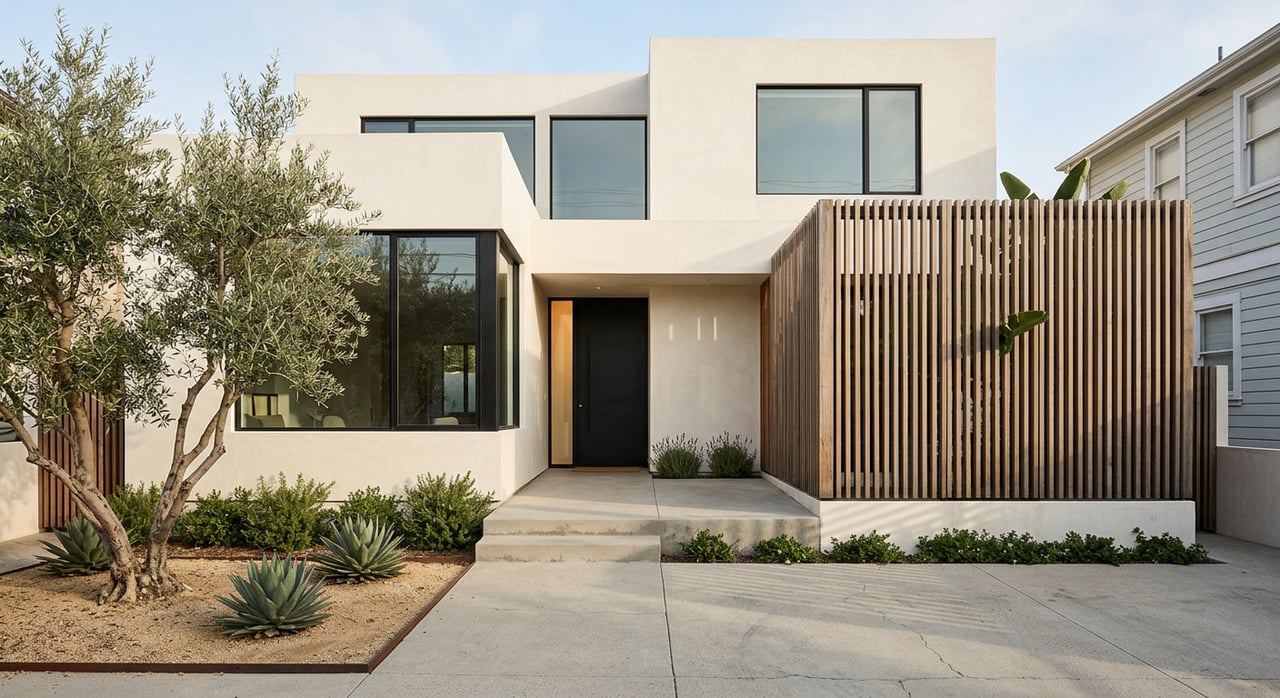
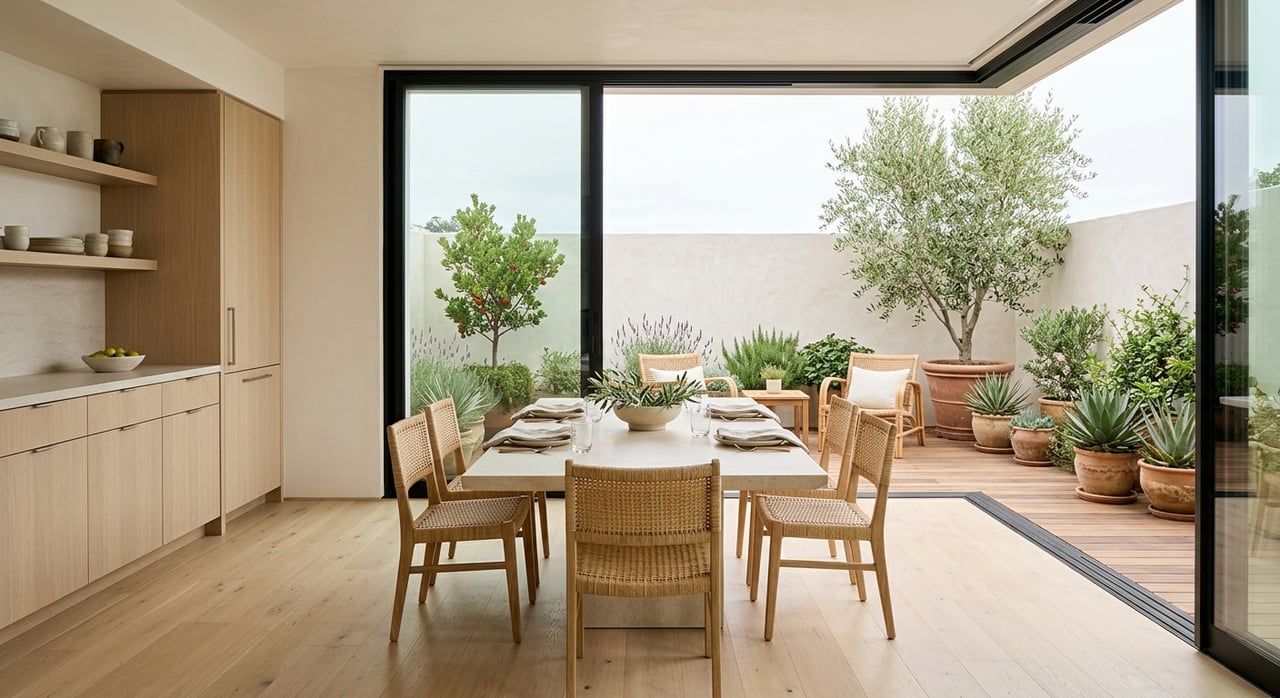
Closer to the water but outside the main promenade, these blocks mix older bungalows with modern rebuilds that lean into ocean views and indoor-outdoor living. Newer homes often have rooftop decks and vertical floor plans that maximize light and privacy. Expect premium pricing for proximity to the beach.
A few blocks inland, you will find a more traditional residential tempo with bungalows, small multifamily buildings, and a calmer evening vibe. These streets can offer practical options for longer-term living without giving up walkability.
Arterials like Lincoln Boulevard and Washington Boulevard carry bus lines and connect you to daily errands. They are useful for commuting and services, though they come with more traffic and a busier streetscape.
Venice offers a diverse mix of homes within a compact area. You will see early 20th-century bungalows, canal cottages, low-rise multifamily, condos, and striking modern rebuilds on or near the sand. The canal area is both limited and coveted, with historic-district context that shapes renovations and design choices. For a snapshot of the canals’ status, see the Venice Canal Historic District.
Market snapshots from major portals often place Venice’s average home value in the low-to-mid seven figures, with recent-year median sales in roughly the low-to-mid 2 million range. Median list prices in 90291 are frequently higher and can vary seasonally. Keep in mind that list, sold, and index figures use different methods and time windows. For decision-making, you will want on-the-ground MLS context and street-by-street insights.
Venice has a significant renter population. Several summaries place renter-occupied households at roughly two-thirds of the area’s total, so you will notice an active rental market across condos, small buildings, and single-family homes. For a broad look at tenure mix and local rent trends, explore RentCafe’s Venice market summary.
Median rents are high compared with many Los Angeles neighborhoods. Recent reports often show a median in the low-to-mid four-thousands, with studios and one-bedrooms lower and larger homes or near-beach properties higher. You can scan current rent patterns by bedroom type through Zumper’s Venice rent research.
You can handle essentials close to home. A large Whole Foods near Lincoln Boulevard anchors grocery runs, and Abbot Kinney has specialty markets and cafés. Weekend farmers’ markets and independent bakeries round out the routine.
There is no subway stop in Venice. The nearest light-rail hub is the Metro E Line terminus in Downtown Santa Monica, which puts the broader network within reach for commutes across the Westside and into the city. Buses like Santa Monica’s Big Blue Bus and other lines run along Lincoln, Venice Boulevard, and key corridors, making surface connections straightforward. Many residents bike along the coast path for short trips and still rely on a car for cross-town travel.
Venice sits inside the broader Silicon Beach ecosystem that includes Santa Monica and Playa Vista. Technology, media, and creative firms concentrated nearby help support strong demand from professionals who want a beach-proximate lifestyle and shorter commutes. Read more about the area’s innovation cluster in this overview of Silicon Beach.
Parts of Venice lie in the coastal zone. Meaningful exterior work or new construction can trigger extra layers of review under the City’s Local Coastal Program and related policies. Plan for more lead time when evaluating additions or rebuilds. For context, review the City’s coastal planning materials compiled by the Venice Neighborhood Council in the Local Coastal Program overview.
Low-lying oceanfront and canal-adjacent blocks can face flood exposure, storm surge, and long-term sea-level rise. As part of due diligence, check FEMA flood maps, ask for any available elevation certificates, and consider the long-term cost of insurance and maintenance. The Coastal Commission’s Venice planning exhibits provide helpful background on hazards and adaptation strategies. See the latest coastal hazards and sea-level guidance.
Los Angeles regulates short-term rentals under a home-sharing framework that generally limits legal STR activity to registered, owner-occupied primary residences and excludes many rent-stabilized units. If you plan to host or buy a property with a rental history, confirm registration and compliance. You can read the City’s current provisions in the Los Angeles home-sharing ordinance.
Coastal and canal properties can carry higher insurance costs and more specialized maintenance. Older homes may also need retrofit work or verification that past renovations were properly permitted. Lenders and underwriters will often want to see documentation for elevation, seismic upgrades, and major systems.
Venice has active civic engagement around public-space management and services for unhoused residents. Operations and policy initiatives can affect certain blocks, especially near the beachfront. If you are evaluating a specific street, walk it at different times of day and review recent local updates. For wider context on regional policy debates, see this Human Rights Watch report on Los Angeles public-space enforcement.
Before you write an offer, build a focused due diligence list:
Venice is more than a postcard of the boardwalk. It is a compact coastal neighborhood where you can choose your tempo, from serene canals to lively café corridors to oceanfront energy. If you are weighing tradeoffs between walkability, quiet, views, and budget, a local, street-by-street strategy will help you land the right home with fewer surprises.
If you want a calm, organized process and market-aware guidance on where to focus, I am here to help. Reach out to Janet Heinzle to talk through your goals and map the best path forward.
Stay up to date on the latest real estate trends.
Whether you’re buying, selling, or investing, Janet Heinzle offers clear guidance, strong advocacy, and a commitment to your success. Reach out today to begin a real estate experience defined by trust, transparency, and results.
Connect With Me To Learn More
11990 San Vicente Blvd Ste 100 Los Angeles, CA 90049